Xander Russell · 12 November 2026
The Role of Volunteer Editing Cycles in Preserving Obscure Data Sets Across Independent Web Repositories
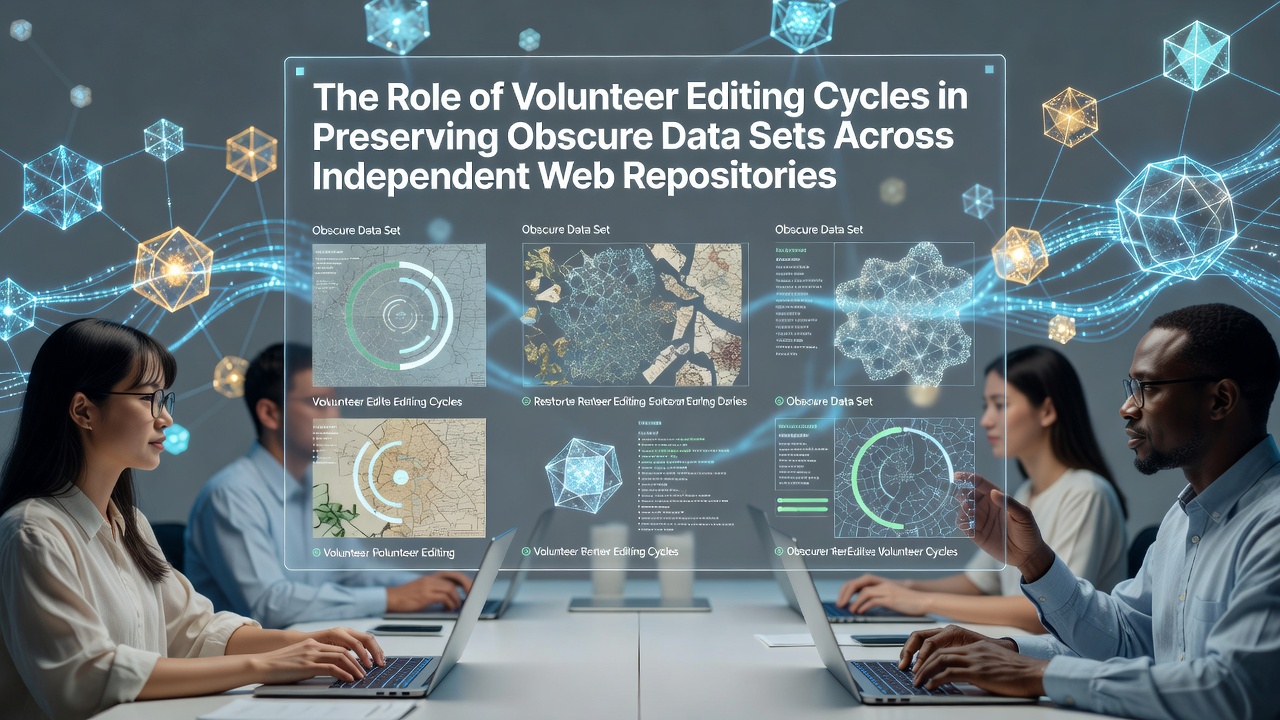
Volunteer editing cycles operate as structured sequences of review and revision that maintain accuracy and accessibility in decentralized web collections, and these processes have gained attention among researchers tracking long-term data integrity across non-commercial platforms. Independent repositories often host specialized datasets that commercial archives overlook, which creates gaps in preservation that volunteer networks address through repeated passes of annotation, correction, and format migration.
Mechanics of Volunteer Editing Cycles
Editing cycles typically unfold in phases where contributors claim tasks, apply changes, and submit them for peer verification before the material returns to public view, and this loop repeats on schedules that range from weekly sprints to quarterly overhauls depending on the repository size. Data shows that repositories relying on such cycles experience fewer link rot incidents because volunteers routinely test URLs and replace broken references with archived snapshots or mirrored copies hosted elsewhere.
Obscure data sets, such as historical weather logs from regional meteorological stations or early genomic sequences from small laboratories, benefit when volunteers add metadata fields that later search tools can index, and the addition of these fields occurs without centralized funding because participants draw on domain knowledge accumulated outside formal institutions. Observers note that cycles often incorporate automated scripts for initial scans, after which human editors resolve ambiguities that algorithms miss.
Distribution Across Independent Platforms
Independent web repositories range from single-topic wikis to federated data dumps maintained by academic collectives, and volunteer cycles adapt to each environment by establishing contribution guidelines that align with the technical constraints of the hosting software. In November 2026 the European Open Science Cloud initiative scheduled a series of virtual workshops focused on volunteer coordination tools, which aligned with similar efforts documented by the Canadian Research Knowledge Network in its annual infrastructure report.
Those who manage these repositories report that editing cycles help sustain datasets when original creators become inactive, because new volunteers inherit context through edit histories and discussion threads rather than starting from raw files. Research indicates that platforms employing version-controlled editing see higher retention rates for niche collections compared with static archives that lack ongoing human input.
Impact on Data Longevity and Accessibility
Longevity improves when cycles include format conversion tasks that migrate content from deprecated file types to current standards, and accessibility increases through the addition of descriptive tags and alternative text that support screen readers. Figures from the Australian Research Data Commons reveal that repositories with active volunteer programs logged more than double the number of successful data retrievals in 2025 compared with similar collections that remained untouched for the same period.
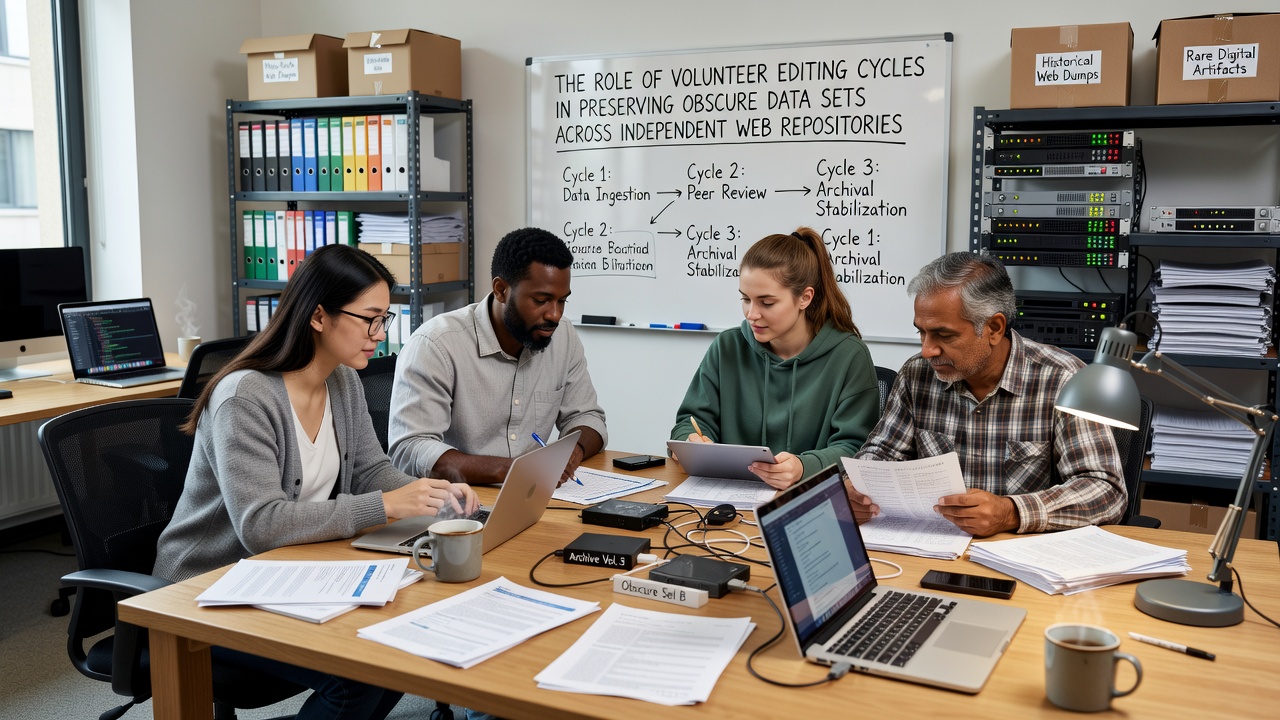
One documented case involved a collection of mid-20th-century agricultural yield statistics that had scattered across several personal sites; volunteer teams consolidated the records, standardized units of measurement, and cross-referenced entries against government publications, which restored usability for secondary analysis projects conducted by university teams in 2024. The process relied on asynchronous editing sessions that allowed contributors in different time zones to build on one another's corrections without overlap conflicts.
Coordination Challenges and Solutions
Coordination challenges arise when volunteer availability fluctuates or when conflicting edits occur on the same record, yet repositories counter these issues through clear role definitions and automated conflict detection features built into their platforms. Studies from the US National Archives and Records Administration highlight that training materials distributed to new volunteers reduce error rates during early contributions, which in turn shortens the time required for each full editing cycle.
What's interesting is how some groups integrate real-time chat channels alongside the editing interface, allowing quick clarification of ambiguous data points before changes are finalized. This approach keeps momentum high even when datasets contain specialized terminology that requires subject-matter expertise.
Future Trajectories for Volunteer-Driven Preservation
Future trajectories point toward tighter integration between volunteer cycles and institutional backup systems, where edits performed on independent repositories trigger mirrored updates on larger national archives. Data from the UK Data Service shows increased interest in such hybrid models following pilot programs that ran through late 2025, and observers expect similar patterns to appear in other regions by the end of 2026.
These developments underscore how volunteer editing cycles function as living mechanisms rather than one-time interventions, continuously adapting obscure data sets to remain discoverable and usable across shifting web environments. The pattern holds across multiple repository types because the underlying need for sustained human attention persists regardless of the hosting technology.
Conclusion
Volunteer editing cycles therefore serve as essential infrastructure for preserving obscure data sets that would otherwise degrade or disappear from independent web repositories, and their continued operation depends on accessible tools, clear documentation, and communities willing to invest time in iterative improvement. As platforms evolve, the same cyclical processes that corrected yesterday's broken links now prepare datasets for tomorrow's search and analysis requirements.