Parker Becker · 3 September 2026
Navigating Niche Knowledge Hubs in Modern Digital Ecosystems
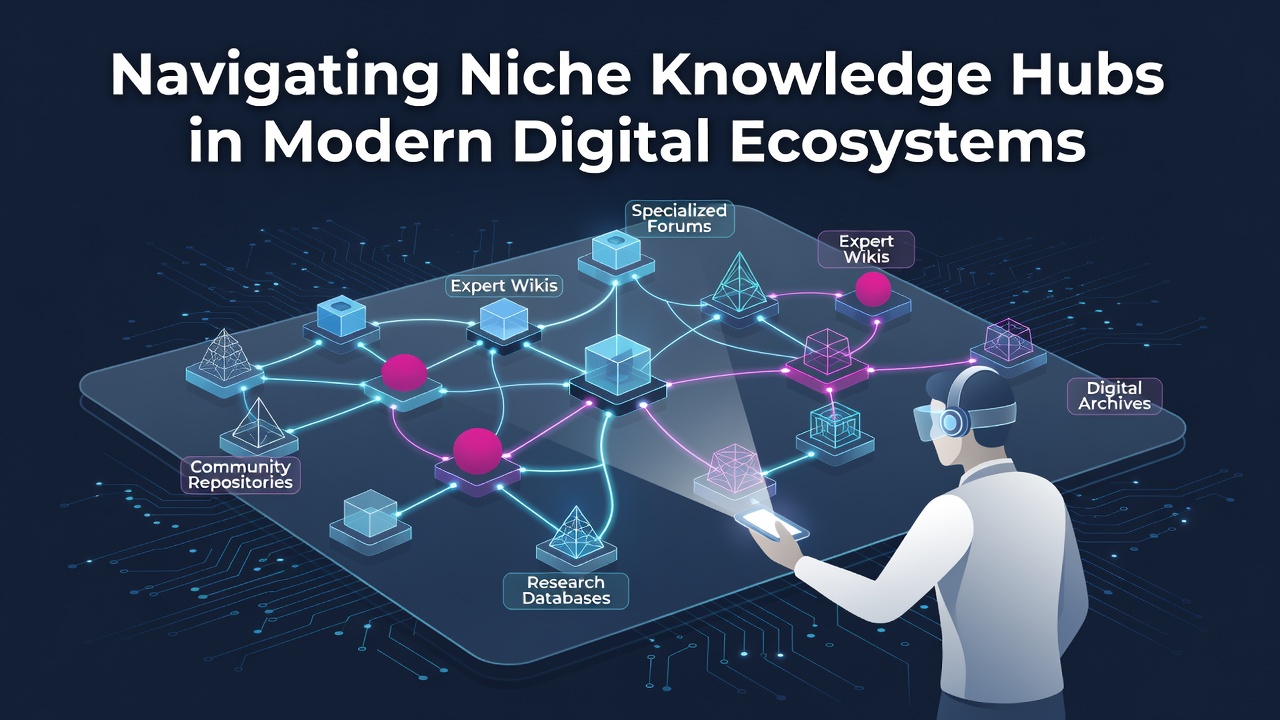
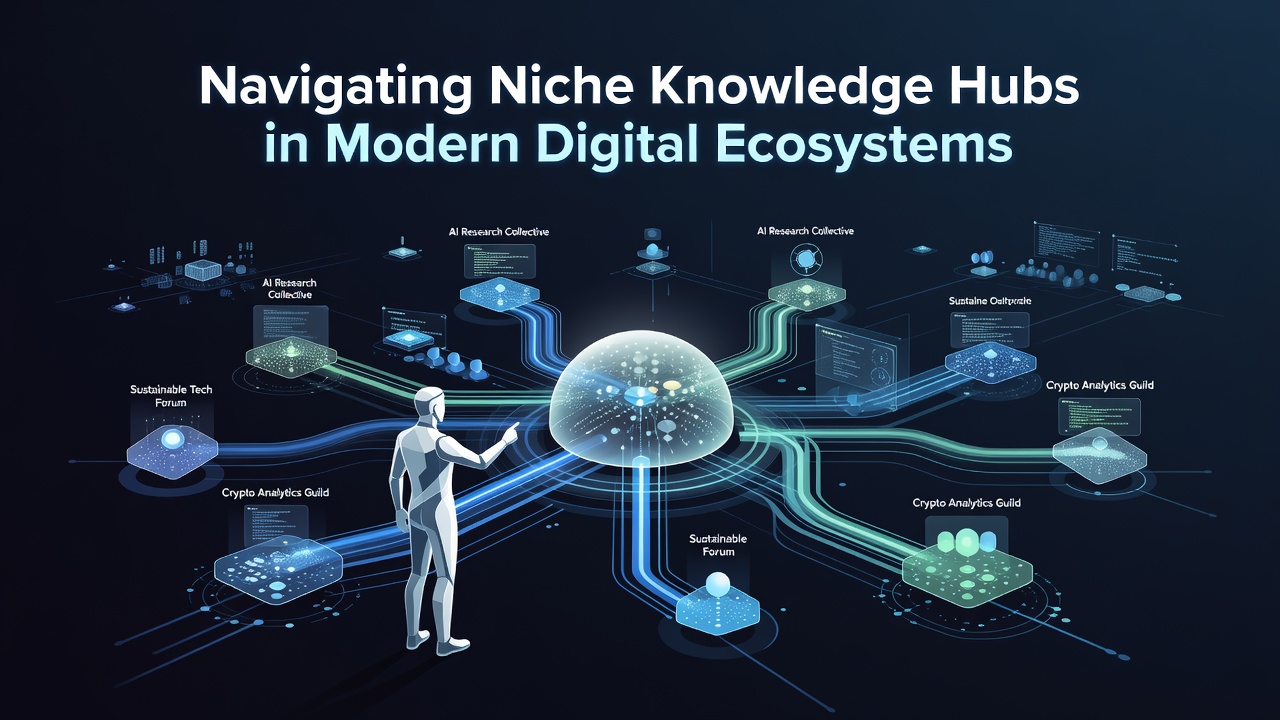
Modern digital ecosystems contain numerous specialized platforms that aggregate expertise on narrow subjects ranging from vintage electronics repair to quantum computing applications in agriculture, and these hubs operate through structured forums, collaborative wikis, private servers, and moderated repositories that users access via targeted search techniques and community guidelines. Observers note that such spaces have expanded steadily since the early 2010s as broadband penetration and mobile connectivity increased across multiple continents, creating environments where participants exchange technical documentation, case studies, and real-time troubleshooting data without relying on general-purpose search engines alone.
Defining the Structure of Niche Knowledge Hubs
These hubs typically organize content through layered taxonomies that include topic-specific categories, version-controlled edits, and reputation systems that track contributions over time, while researchers from institutions such as those affiliated with the OECD have documented how metadata standards like Dublin Core and schema.org markup improve discoverability within these closed or semi-closed networks. Participants often begin by reviewing pinned resources and archived threads that establish baseline terminology, then progress to real-time channels where questions receive responses from verified domain experts who maintain activity logs spanning years of consistent engagement.
Platform architectures vary between open wikis that permit anonymous edits subject to rollback mechanisms and invitation-only Discord or Slack instances that require application forms detailing prior experience, yet both models rely on automated moderation tools combined with human oversight to maintain information accuracy according to established editorial policies. Data from academic surveys conducted across European member states shows participation rates climbing in technical fields between 2022 and 2025, driven by integration with API endpoints that allow cross-posting from personal note-taking applications into community databases.
Strategies for Locating and Accessing Relevant Communities
Effective navigation starts with precise query formulation that incorporates domain-specific jargon alongside broader terms, allowing users to surface results from academic repositories or professional association portals rather than mainstream indexes alone, and this approach proves especially useful when exploring subjects like synthetic biology protocols or regional dialect preservation efforts. Individuals frequently cross-reference multiple directories including subject-specific subreddit lists, university-hosted research networks, and industry trade group member forums to identify active hubs that align with their current objectives.
Once located, entry protocols differ by platform type, with some requiring email verification tied to institutional addresses while others accept pseudonymous registrations supported by contribution histories from elsewhere, and those who've studied access patterns observe that consistent small contributions accelerate acceptance into higher-tier discussion channels. In September 2026 several major platforms plan to roll out enhanced verification layers that incorporate decentralized identity standards, potentially streamlining entry for users already authenticated through government digital services in regions such as Canada and Australia.
Contribution Practices and Information Verification
Contributors maintain quality by citing primary sources within each post, attaching supplementary files through standardized upload interfaces, and participating in peer review cycles that flag inconsistencies before they propagate, practices that align with guidelines issued by organizations focused on open knowledge such as those promoting Creative Commons licensing frameworks. Research indicates that hubs enforcing citation requirements experience lower rates of factual drift compared to less structured environments, particularly in rapidly evolving fields where new findings appear monthly.
Verification occurs through multiple channels including cross-checks against published papers indexed in services like arXiv or PubMed, community-voted accuracy scores, and periodic audits conducted by rotating moderator teams, while external links to regulatory documents from bodies such as the OECD digital policy archives help ground discussions in documented standards. Users who engage regularly develop mental models for assessing source reliability based on update frequency and author credentials rather than surface-level presentation alone.
Integration with Broader Digital Tools and Ecosystems
Many niche hubs now connect directly to productivity suites through plugins that import annotations, export datasets, and synchronize calendars for virtual meetups, creating workflows that extend beyond single platforms into personal knowledge management systems. This connectivity supports longitudinal tracking of topics where developments unfold over extended periods, such as climate modeling refinements or materials science breakthroughs, and data from industry reports shows increased adoption of such integrations among professional researchers between 2023 and 2026.
Security considerations include the use of end-to-end encrypted channels for sensitive exchanges and regular audits of permission settings that prevent unauthorized data scraping, measures that organizations like the Internet Society have highlighted in their annual connectivity assessments. Participants who combine hub activity with personal archiving tools report improved retention of complex information across multiple sessions spanning weeks or months.
Conclusion
Navigating niche knowledge hubs requires familiarity with platform-specific norms, strategic search methods, and ongoing verification routines that together enable efficient access to specialized information within modern digital ecosystems, and continued evolution of these spaces through technological updates will shape how individuals and groups exchange expertise in coming years. Observers continue to track usage metrics and policy changes that influence discoverability and participation across global networks.