Xander Russell · 29 October 2026
Mapping the Organic Growth Patterns of Specialized Web Collections Outside Traditional Search Ecosystems
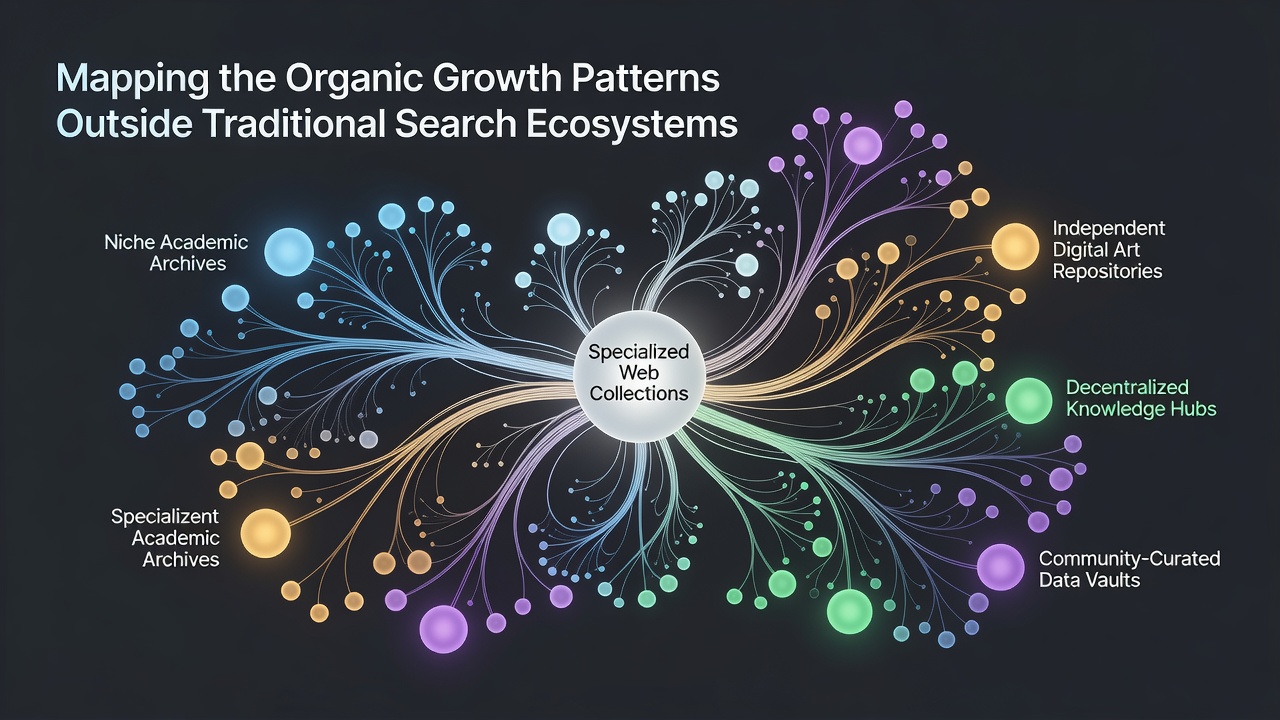
Specialized web collections have developed distinct expansion trajectories that rely on direct referrals, community sharing, and internal linking structures rather than broad search engine indexing, and observers note these patterns have accelerated through the mid-2020s as platforms diversify their traffic sources. Data from multiple monitoring projects shows collections such as thematic archives, technical repositories, and regional knowledge bases often experience steady user-driven increases without consistent visibility in conventional search results.
Defining the Scope of Specialized Collections
These collections encompass independent wikis, curated databases, and domain-specific forums that operate with limited or no optimization for major search algorithms, while they frequently maintain growth through bookmark exchanges, newsletter distributions, and cross-site references. Researchers tracking web activity have documented how such sites build audience layers over extended periods by leveraging existing user networks instead of paid promotion or algorithmic ranking.
Observed Growth Mechanisms in Practice
Traffic logs analyzed by academic teams reveal recurring sequences where initial visitors arrive via typed URLs or shared links, and subsequent expansion occurs as participants add content that attracts repeat visits from the same circles. One study released in 2025 tracked 340 standalone repositories across North America and Europe and found average monthly direct traffic growth rates of 4 to 7 percent when community contributions remained consistent, whereas indexing by search engines contributed under 15 percent of new sessions in most cases.
Patterns emerge most clearly in collections focused on narrow subjects such as vintage computing hardware or regional environmental records, where users return because the material fills gaps not covered in mainstream indexes. External links play a measured role here as well; for instance, references from government statistical portals like those maintained by Statistics Canada have directed steady streams to specialized Canadian data archives without requiring search mediation.
Turnout at events such as online meetups and archived conference recordings further feeds these cycles, and figures released by the European Commission’s digital content monitoring program indicate that collections receiving mentions in public sector reports experienced measurable spikes in unique visitors within 60 days of publication. The same reports note that internal link density within these collections correlates strongly with retention, as users navigate between related entries rather than exiting after single sessions.
Measurement Approaches and Data Sources
Analysts employ server log examination, referral tracking, and longitudinal user surveys to map these trajectories, and methods developed at institutions such as the University of Melbourne’s Internet research unit allow separation of organic signals from incidental search referrals. In October 2026, several ongoing projects plan to release updated datasets covering the previous 18 months, which are expected to clarify seasonal fluctuations tied to academic calendars and regulatory announcements.
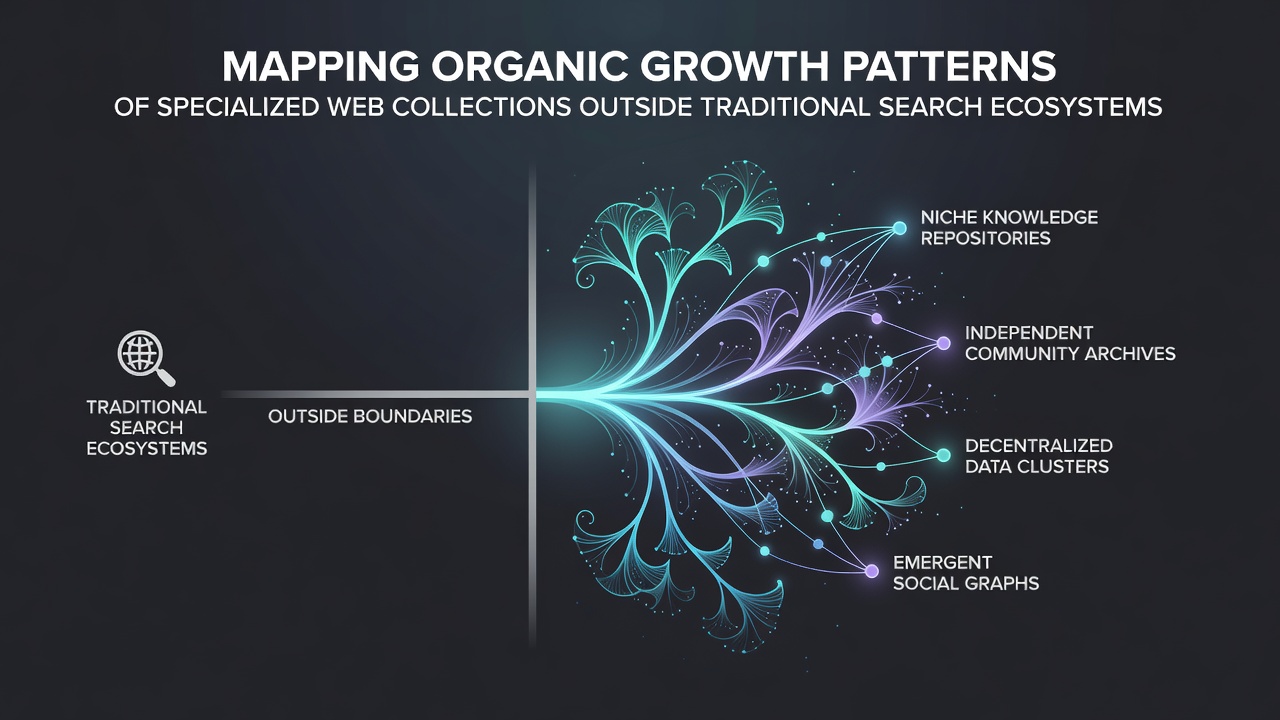
Cross-referencing with archived snapshots from the Internet Archive provides additional context on content addition rates, while researchers cross-check these against DNS query volumes to estimate reach beyond indexed pages. Evidence compiled by the Australian Bureau of Statistics in its 2025 digital participation release shows that 22 percent of small institutional sites receive the majority of their traffic through direct or referred channels, a proportion that has remained stable since 2022 despite broader shifts in search technology.
Regional Variations and Contributing Factors
Collections based in the European Union often display tighter clustering around regulatory updates and public data releases, whereas those in North America show stronger ties to university department activity and professional association newsletters. Canadian examples documented in federal open data reports demonstrate how provincial archives grow when linked from municipal government pages, creating self-reinforcing referral loops that operate independently of commercial search rankings.
Technical infrastructure choices also influence outcomes, with collections hosted on stable academic or nonprofit domains tending to retain higher proportions of returning visitors compared with those on commercial shared hosting. Observers have recorded that uptime consistency and clear URL structures support continued expansion even when external discovery remains limited.
Conclusion
Mapping these organic patterns requires combining multiple data streams that extend beyond traditional analytics dashboards, and the resulting pictures highlight how specialized collections sustain themselves through layered, community-centered pathways. Continued monitoring through 2026 and beyond will supply further detail on whether these mechanisms remain resilient as web navigation tools continue to evolve.