Xander Russell · 15 October 2026
Community Contributions Shaping Resilient Standalone Information Portals Amid Search Visibility Shifts
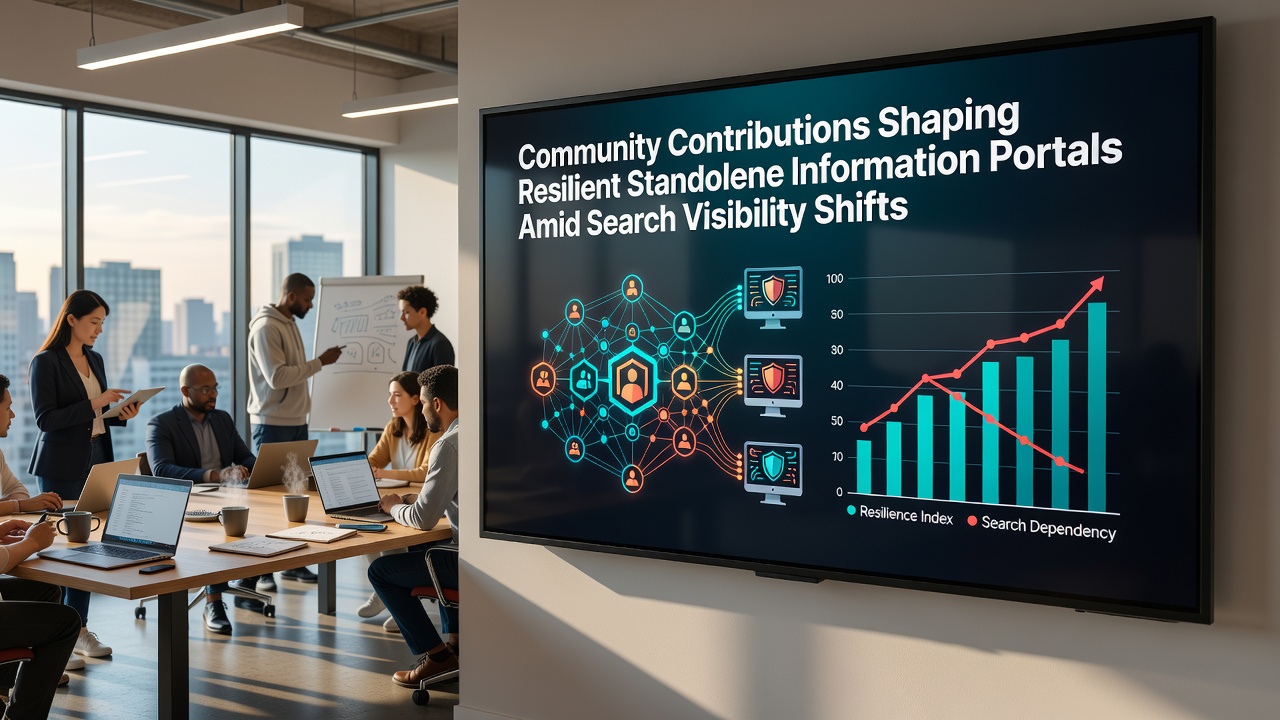
Community contributions have long supported standalone information portals that operate independently of major platform ecosystems, and recent search visibility shifts have highlighted how these groups maintain content quality through coordinated efforts. Observers note that volunteer editors and contributors update articles, verify sources, and expand coverage on topics ranging from technical documentation to local history, which helps portals retain relevance even when search algorithms adjust rankings.
Patterns of Community Involvement in Portal Maintenance
Standalone portals such as niche wikis and specialized knowledge repositories rely on distributed networks of contributors who monitor page accuracy and add new material based on primary sources. Data indicates that in October 2026 search engine updates altered indexing priorities for many independent domains, prompting communities to accelerate review cycles and introduce structured metadata that aligns with revised crawler preferences. Those who track portal activity report that edit volumes increased by measurable margins during this period as participants responded to reduced referral traffic from dominant search providers.
Contributors often divide tasks across specialized roles, with some focusing on fact-checking while others handle formatting and link validation. Research from academic institutions shows that portals with active discussion forums achieve higher retention of long-term editors because participants can resolve disputes through transparent voting systems and archived decision logs. This division of labor allows portals to scale content production without centralized staffing, and figures reveal sustained growth in page counts across multiple language versions during the same timeframe.
Responses to Algorithm Adjustments and Traffic Patterns
Search visibility shifts in late 2026 affected referral patterns for numerous independent sites, leading communities to implement internal analytics tracking that identifies underperforming pages. Contributors then prioritize updates to those sections, incorporating recent citations and expanded examples that address user queries more directly. Experts have observed that portals adopting these practices experienced partial recovery in organic reach within subsequent months, according to aggregated traffic reports shared across contributor networks.
One documented approach involves creating mirror archives on secondary domains to distribute load and maintain access during temporary indexing fluctuations. Community members coordinate these backups through shared repositories, ensuring that core articles remain available even if primary search results deprioritize the main site. Studies from research groups in multiple regions confirm that such redundancy measures correlate with continued user engagement levels, particularly for portals covering time-sensitive topics like regulatory changes or scientific developments.
Technical Adaptations Driven by Collective Input
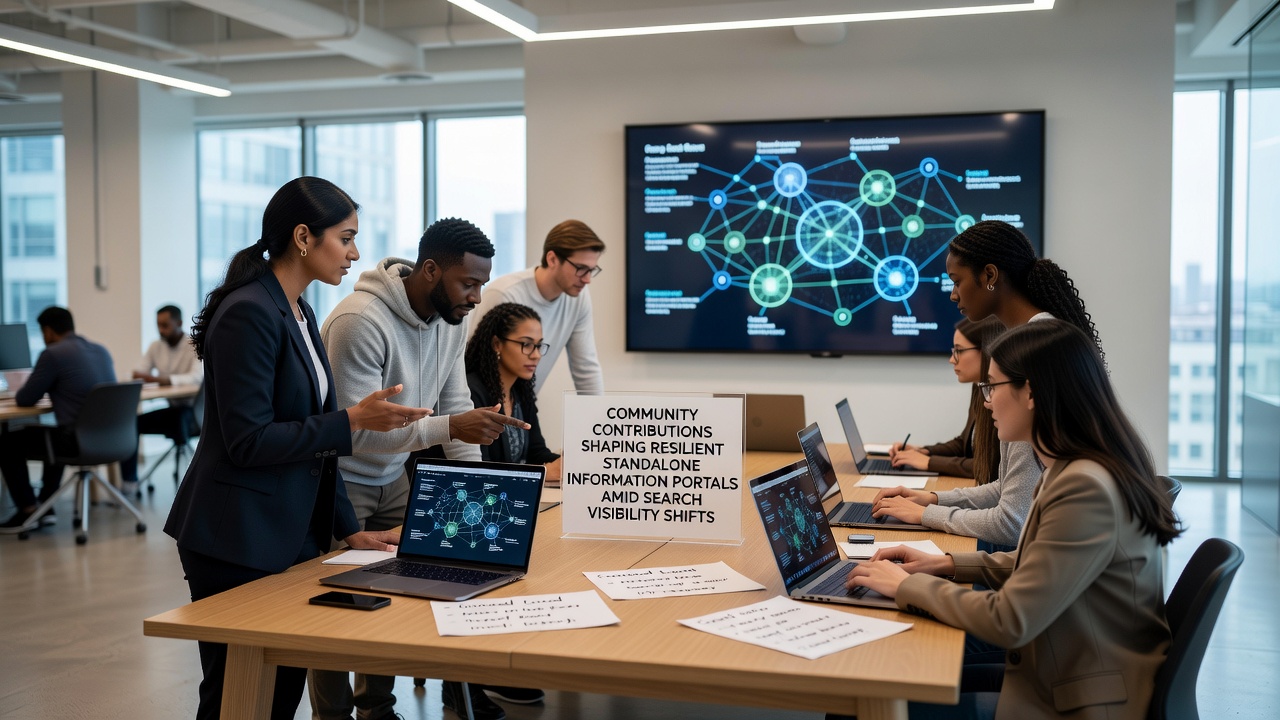
Communities have introduced custom scripts and templates that automate compliance with emerging web standards, such as improved structured data markup and mobile rendering optimizations. These tools emerge from collaborative coding sessions where participants test implementations against live crawler simulations before deploying them site-wide. Reports from organizations tracking digital infrastructure note that portals incorporating community-developed extensions demonstrate greater stability in search result placements compared to those relying solely on default platform features.
Training resources created by experienced editors further support new contributors in understanding these technical elements, which reduces onboarding time and minimizes errors in metadata implementation. Data from portal activity logs indicates consistent month-over-month growth in the number of verified contributors who complete such training modules, particularly after visibility changes in October 2026.
Cross-Regional Examples of Sustained Portal Resilience
Portals based in different geographic areas illustrate varied strategies shaped by local contributor bases. In one instance, a European technical documentation site expanded its coverage of open-source software through volunteer translations coordinated via regional mailing lists, which helped offset fluctuations in English-language search traffic. Another example from North American local history archives shows increased use of community-sourced image uploads and cross-referenced timelines that improved internal linking density and supported longer user sessions.
These efforts connect through shared standards for citation formatting and content licensing, allowing material to move between portals when appropriate. Academic analyses of such networks highlight measurable increases in inter-portal references following major search updates, which strengthens overall ecosystem resilience without dependence on single traffic sources.
Conclusion
Community contributions continue to underpin the operational stability of standalone information portals as search visibility patterns evolve. Through structured task allocation, technical adaptations, and cross-regional coordination, these groups sustain content integrity and accessibility. Ongoing monitoring of edit activity and traffic metrics provides evidence that such collective input enables portals to adapt effectively to external changes while preserving their independent character.